
The 1995 film “Casino,” directed by Martin Scorsese, is a gripping portrayal of the rise and fall of organized crime in Las Vegas during the 1970s and early 1980s. The film is based on the non-fiction book “Casino: Love and Honor in Las Vegas” by Nicholas Pileggi, who co-wrote the screenplay with Scorsese. “Casino” features a stellar cast, including Robert De Niro, Sharon Stone, and Joe Pesci, and is renowned for its meticulous attention to detail and authenticity in depicting the glamorous yet treacherous world of gambling.
One of the most significant aspects of “Casino” is its filming locations, which play a crucial role in establishing the film’s atmosphere and authenticity. The majority of the film was shot on location in Las Vegas, Nevada, capturing the essence of the city during its golden age of gambling and mob influence. The primary casino featured in the film is the fictional Tangiers Hotel and Casino, which serves as the central hub for the story’s events. While the Tangiers itself is a fictional creation, many of the scenes were filmed in real Las Vegas casinos, providing a genuine backdrop for the narrative.
The film prominently features the Stardust Resort and Casino, which was a popular destination in Las Vegas before its demolition in 2007. The Stardust’s interior and exterior were used for various scenes in “Casino,” showcasing its iconic architecture and vibrant atmosphere. The Stardust was known for its lavish gambling floors and extravagant shows, making it a fitting choice for the film’s depiction of the glitz and glamour of Las Vegas.
Another notable location is the Fremont Street Experience, a pedestrian mall and entertainment district in downtown Las Vegas. The film captures the bustling energy of Fremont Street, highlighting its neon lights and lively atmosphere. This area was a hotspot for tourists and locals alike during the time period depicted in the film, and its inclusion adds to the authenticity of the setting.
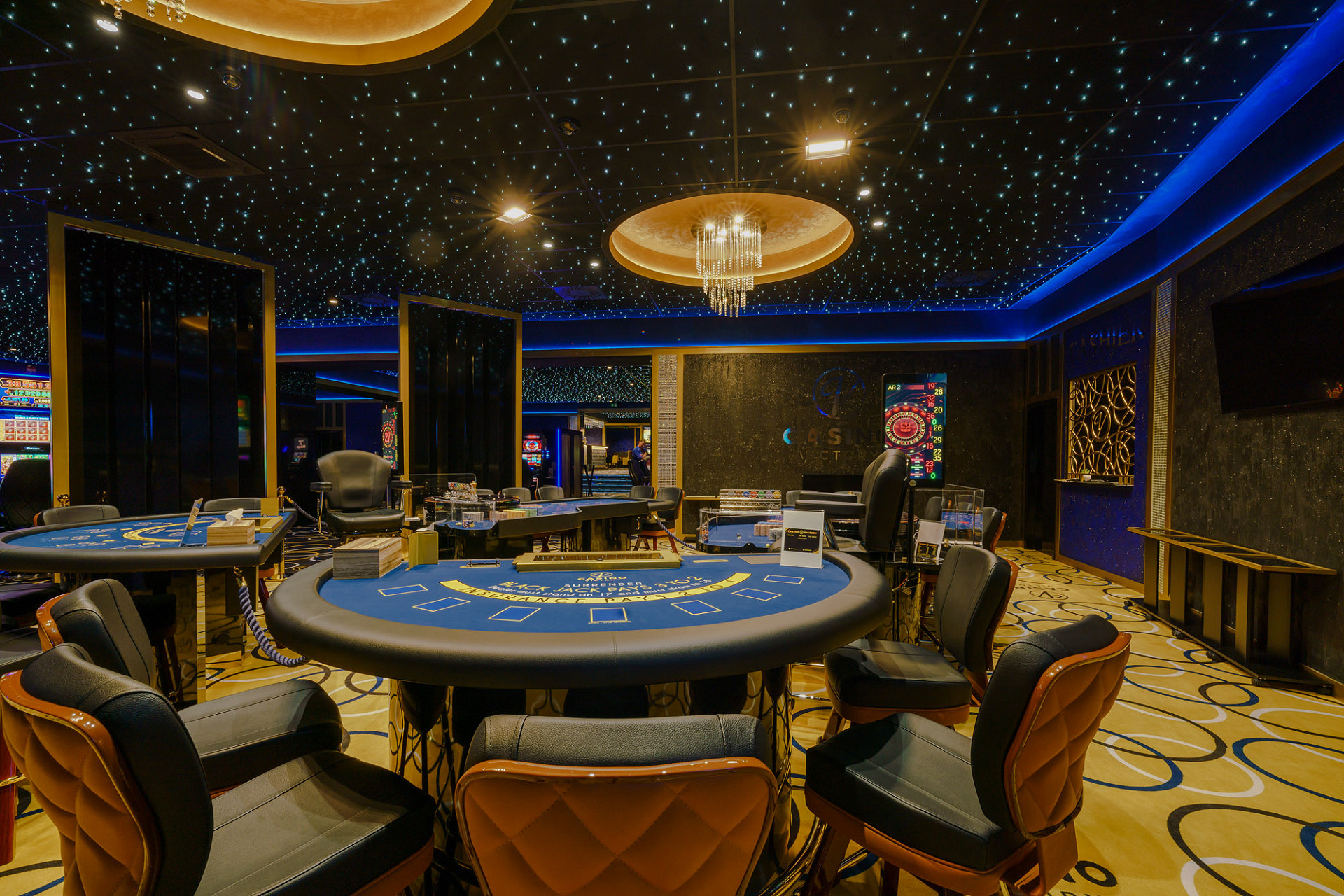
In addition to the Stardust, several other casinos and hotels were utilized during filming. The Riviera Hotel and Casino, betninja review another iconic Las Vegas establishment, also appears in “Casino.” The Riviera was known for its classic Vegas style and was a popular venue for entertainment and gambling. The film’s use of real locations enhances the narrative and immerses the audience in the world of high-stakes gambling and organized crime.
The production team went to great lengths to recreate the look and feel of 1970s Las Vegas, using both real locations and intricate set designs. The attention to detail in the film’s production design helps to transport viewers back in time, making them feel as though they are experiencing the highs and lows of the casino world alongside the characters.
In conclusion, “Casino” is a cinematic masterpiece that effectively captures the essence of Las Vegas during a tumultuous era in its history. The film’s use of real casinos, such as the Stardust and Riviera, along with the vibrant atmosphere of Fremont Street, contributes to its authenticity and immersive storytelling. Through its meticulous attention to detail, “Casino” remains a defining film in the genre of crime dramas and continues to resonate with audiences today.