
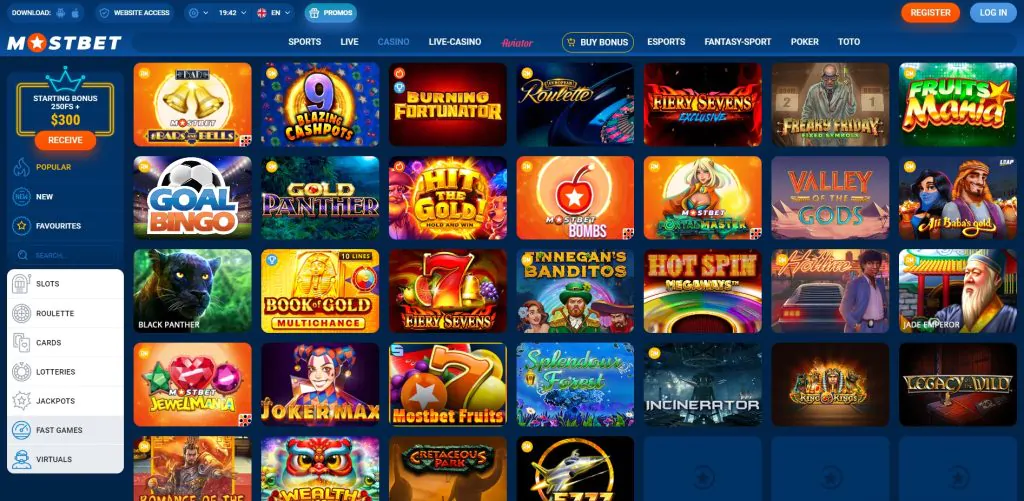
In recent years, the online casino industry has seen explosive growth, with a plethora of websites offering various games that promise thrilling experiences and enticing rewards. But amidst all the fun and excitement, a pressing question remains: are online casino games fair? To tackle this question comprehensively, we need to delve into several aspects, including the regulations that govern these platforms, the underlying technology such as random number generators (RNGs), and the overall integrity of the gaming experience. A notable player in this industry is Are Online Casino Games Fair in Bangladesh? Mostbet, which emphasizes transparency and fairness in its operation.
Understanding Fairness in Online Casino Games
Fairness in online casino games pertains to whether the games operate without bias and whether players have a genuine chance of winning. Unlike traditional casinos, online platforms are governed by different sets of rules and regulations that vary by jurisdiction. Many countries have stringent regulatory frameworks in place designed to protect players and ensure fair play. For instance, organizations like the UK Gambling Commission and the Malta Gaming Authority enforce strict compliance standards on licensed online casinos, requiring them to adhere to fair play protocols.
The Role of Licensing
Licensing is one of the primary indicators of an online casino’s fairness. Reputable online casinos obtain licenses from regulatory authorities that monitor their operations. These licenses ensure that the casino operates within the legal framework and adheres to guidelines that protect players. Additionally, these organizations often conduct regular audits and testing of games, verifying that the outcomes are random and not manipulated. In short, choosing a licensed online casino is crucial for players who want an assurance of fairness.
Random Number Generators (RNGs)

At the heart of every online casino game lies a technology known as a Random Number Generator (RNG). This sophisticated algorithm generates random outcomes that determine the results of games like slots, poker, and blackjack. A legitimate online casino uses RNGs that are regularly tested for fairness by independent auditing firms. These tests ensure that the RNG produces outcomes that are genuinely random and effectively replicate the odds you would expect in a physical casino. An unfair RNG would skew the odds in favor of the casino, thus questioning the integrity of the games.
Independent Auditing
Another layer of assurance for players comes from the independent auditing of online casinos. Many top-tier online casinos proudly display their certifications from recognized testing laboratories like eCOGRA or iTech Labs. These organizations carry out extensive testing of the games available on the casino’s platform, checking for randomness, payout percentages, and fairness. When a casino possesses such certifications, it suggests a high level of transparency and integrity in its operations.
Payout Percentages
One of the key indicators of fair play in online casinos is the payout percentage, also known as the Return to Player (RTP). This percentage represents the amount of money wagered that is returned to players over time. For example, a game with a 95% RTP will return $95 for every $100 wagered in the long run. Reputable online casinos will display their RTP percentages openly, allowing players to make informed choices about which games to play. Generally, the higher the RTP, the better the odds for the player, which contributes to the perception of fairness.
The Importance of Responsible Gaming

While most online casinos strive to provide a fair and enjoyable gaming experience, it’s crucial for players to engage in responsible gaming practices. This means setting limits on how much time and money you spend and playing purely for entertainment rather than as a means to make money. Online casinos often provide tools for self-exclusion or deposit limits, helping players manage their gaming responsibly. A fair gaming environment promotes safer practices that protect players from potential harm or gambling addiction.
Public Perception and Player Experiences
The perception of fairness in online casinos can significantly influence player trust and loyalty. Online forums and review sites serve as platforms for players to share their experiences, both positive and negative. These testimonials can highlight whether players feel they have been treated fairly and if winnings have been paid out promptly. A casino that consistently receives complaints about unfair practices will likely find it challenging to maintain customer trust and retention.
Future Trends in Fairness and Transparency
As technology evolves, so too does the landscape of online gambling. Innovations such as blockchain technology are paving the way for more transparent and fair gaming experiences. Blockchain allows for decentralized and verifiable transactions, providing players with greater assurance that the games are fair and payouts are legitimate. This technological shift may lead to a new standard in how online casinos operate, enhancing trust and confidence among players.
Conclusion
So, are online casino games fair? The answer largely depends on the reputable practices of the casinos that players choose to engage with. By opting for licensed and regulated casinos, understanding the role of RNGs, and acknowledging the importance of responsible gaming, players can mitigate risks and enhance their gaming experience. With oversight from regulatory bodies and independent audits, online gambling can offer a fair, exciting, and safe environment for players worldwide.