
From single-room upgrades to complete whole-home transformations, B8 Home delivers licensed, insured and design-driven remodeling with a level of finish that increases property value and exceeds expectations every time.
Founded in Boca Raton and built on a track record of complex residential and commercial remodeling projects, B8 Home now serves all of South Florida and Greater Orlando with the same licensed crew, the same material standards and the same commitment to delivering exactly what was promised.
Whether you are renovating a single bathroom or coordinating a full multi-room transformation, you get one accountable team that manages every trade, every timeline and every detail from permit to final walkthrough.
Check If We Serve Your Area
Every project is held to a standard where grout lines are straight, tile is level, trim is flush and paint edges are razor clean. We build for permanence, not just appearance.
Before work begins you receive a documented project schedule. You are updated at each phase, demo, rough trades, finishes, punch-out, so nothing is ever a surprise.
Carpentry, tile, drywall, painting, flooring and all licensed trade coordination under one team. One project manager owns the schedule, the quality and the result, start to finish.
Fully licensed and insured in Florida with a verified portfolio of completed projects. Qualified for permitted work, HOA submissions and lender documentation requirements.
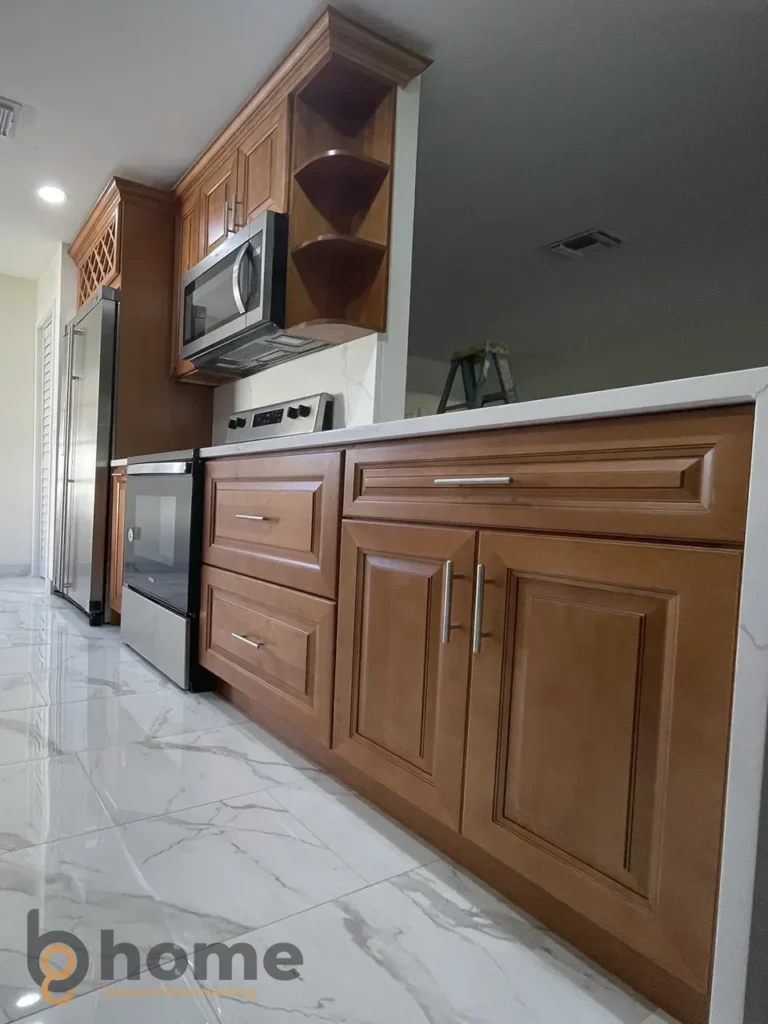
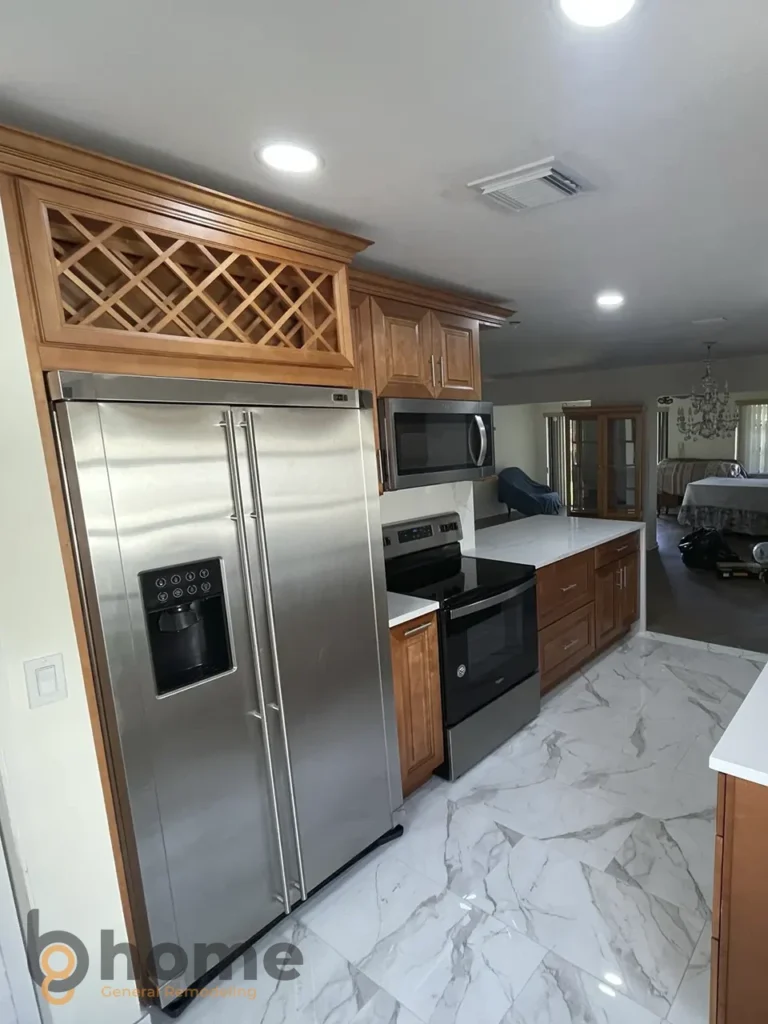
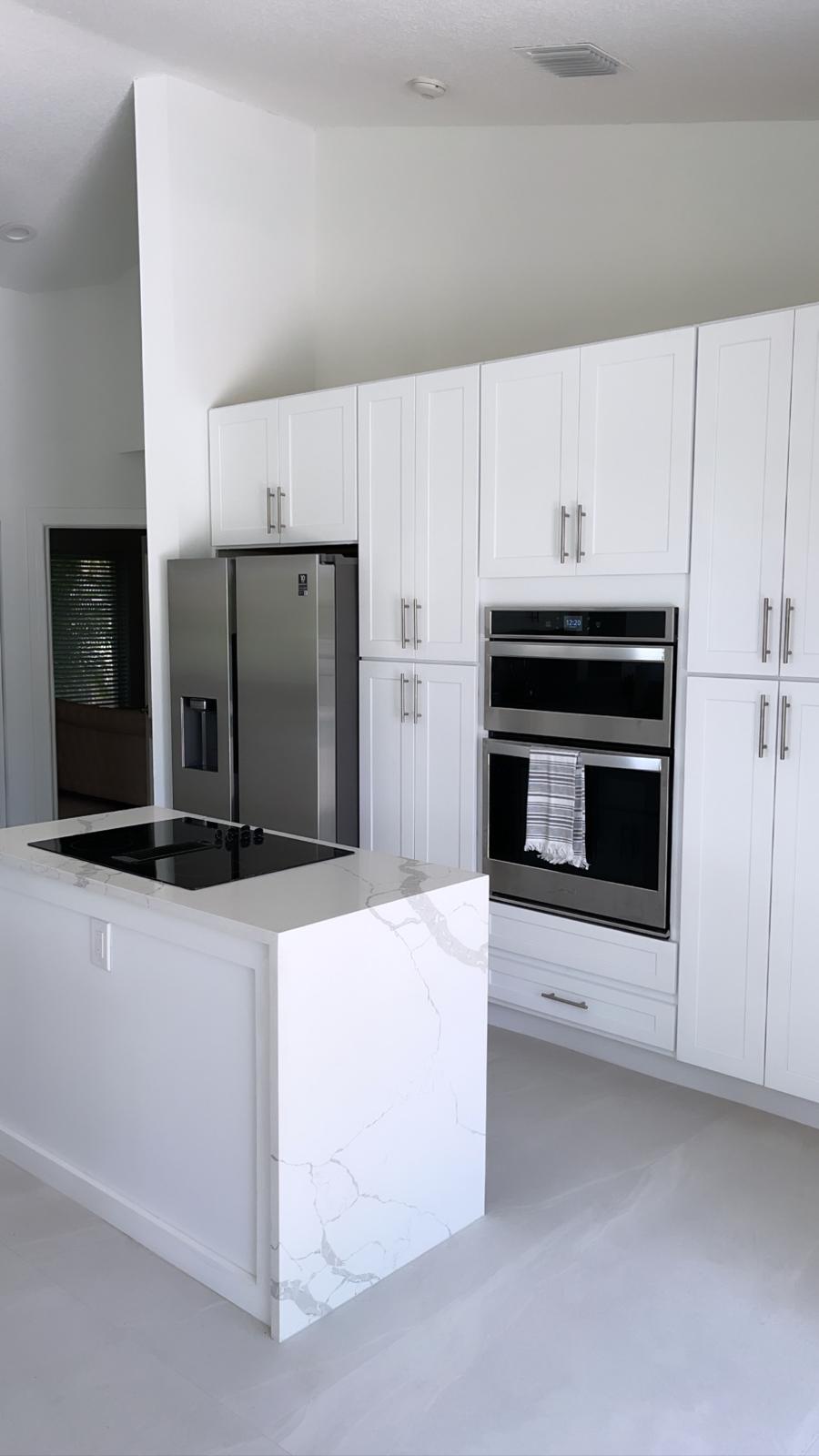 Kitchen
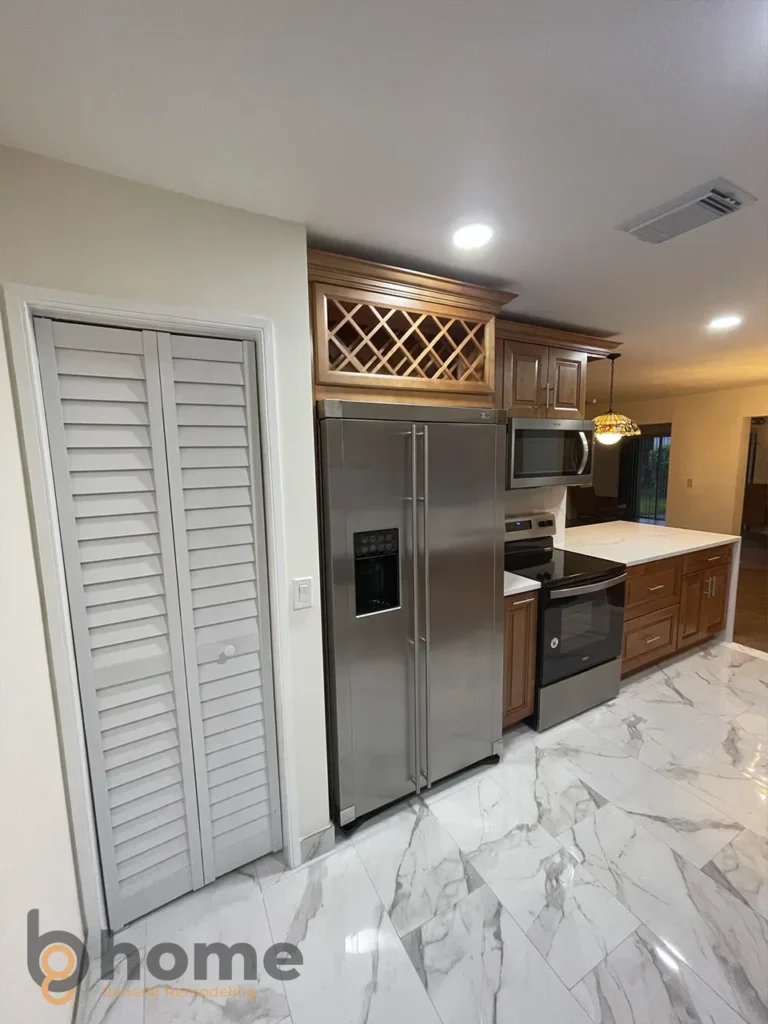
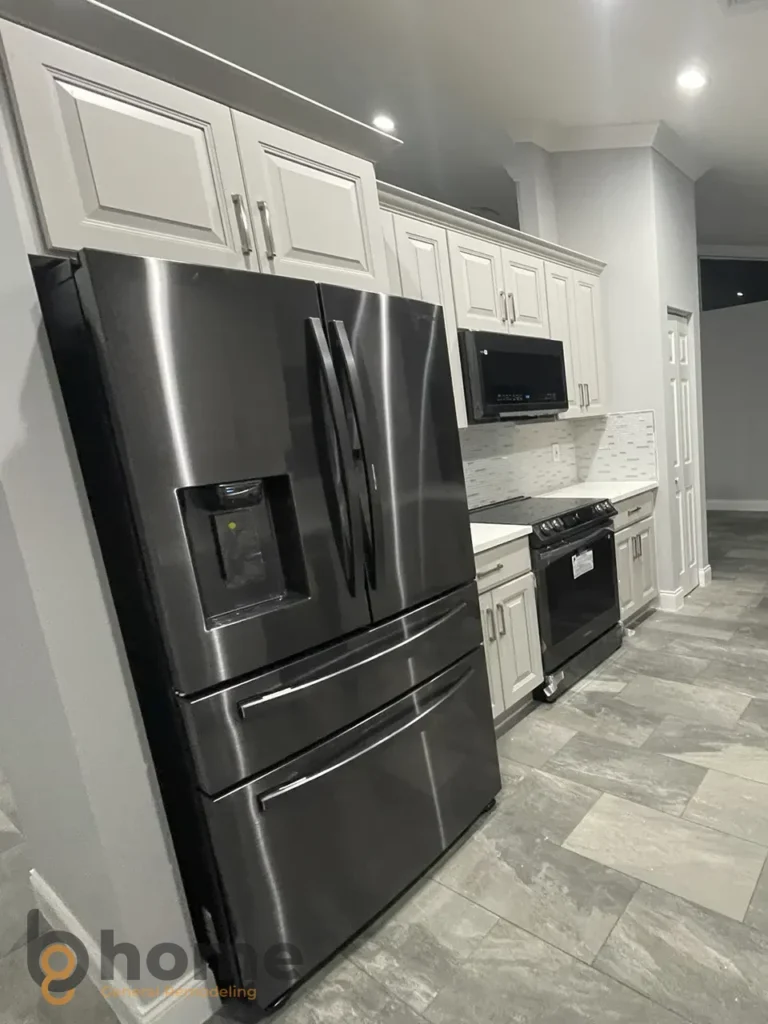
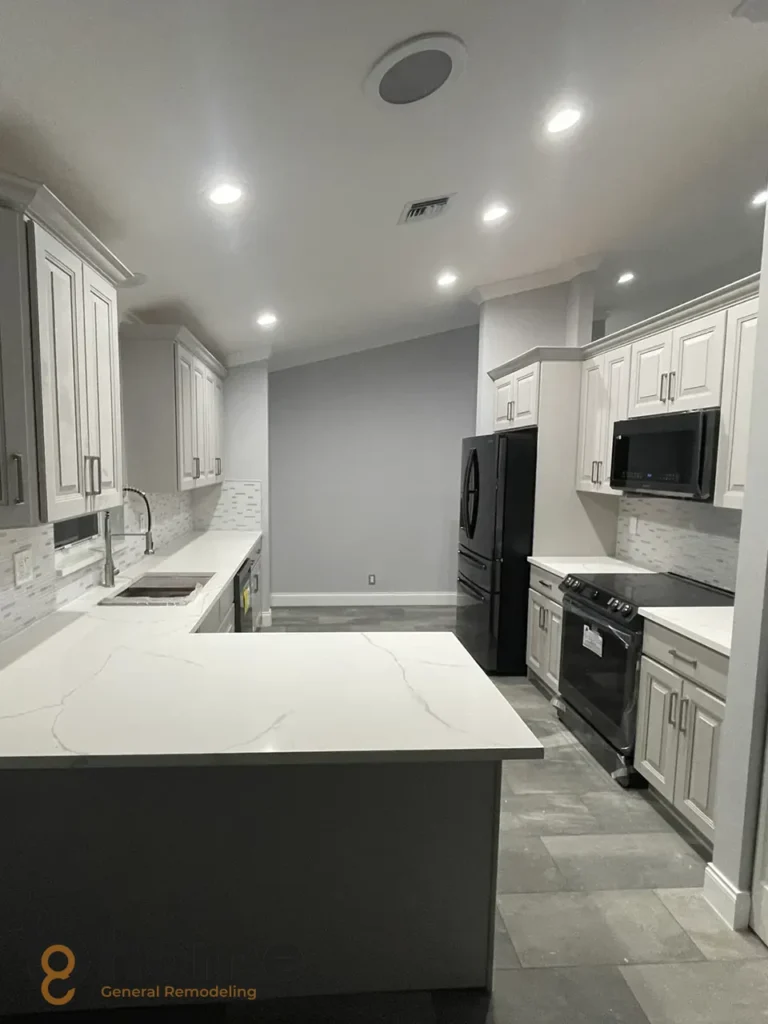
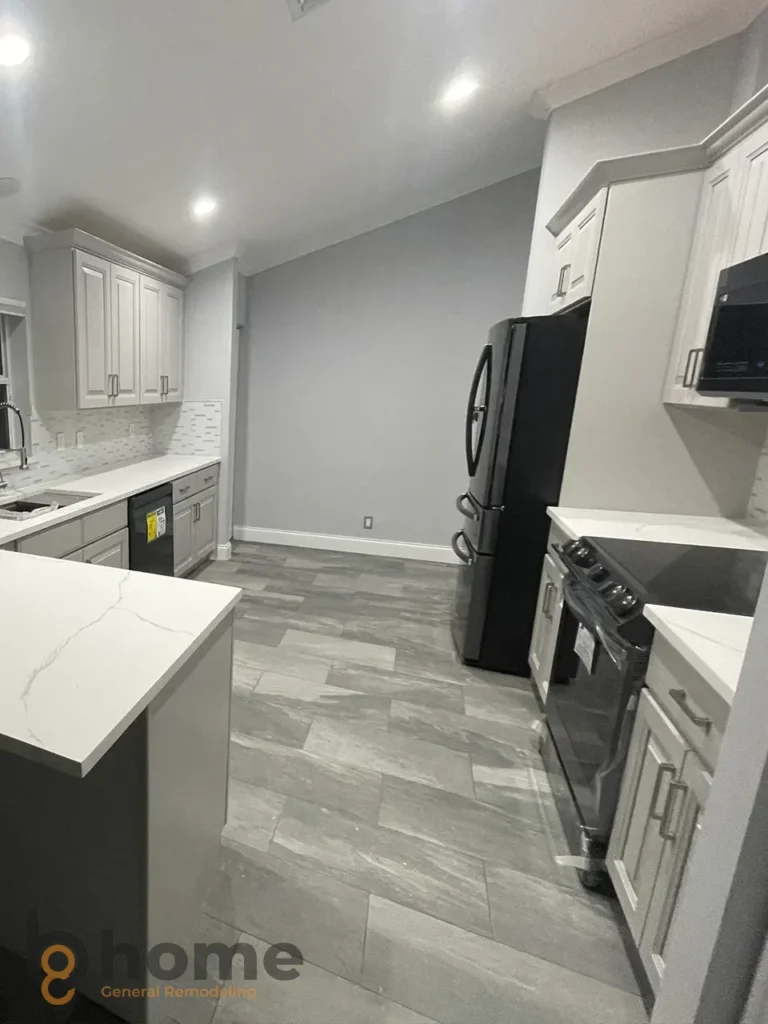
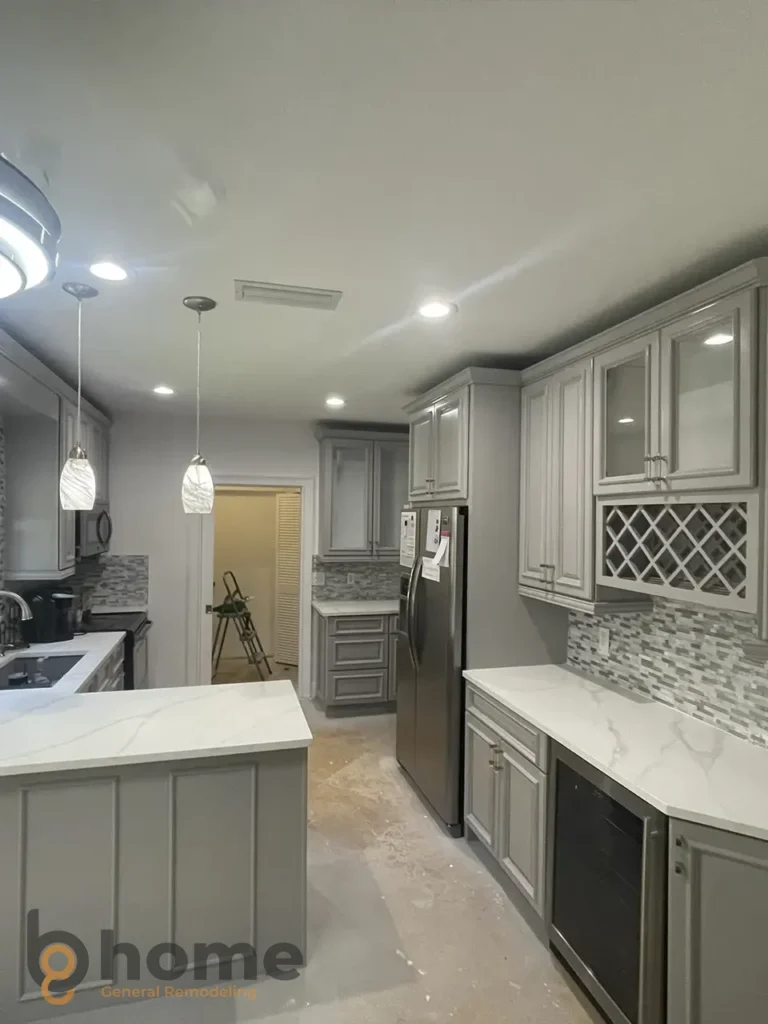
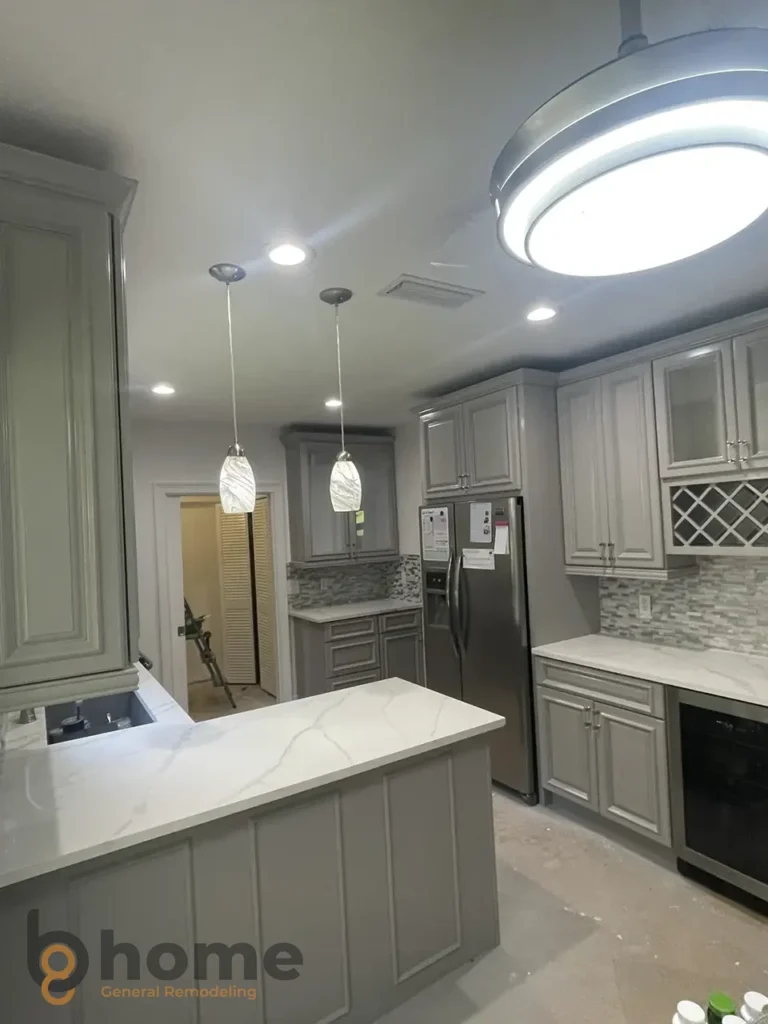
The heart of your home, rebuilt for the way you actually live. Custom cabinets, countertops, backsplashes and lighting.
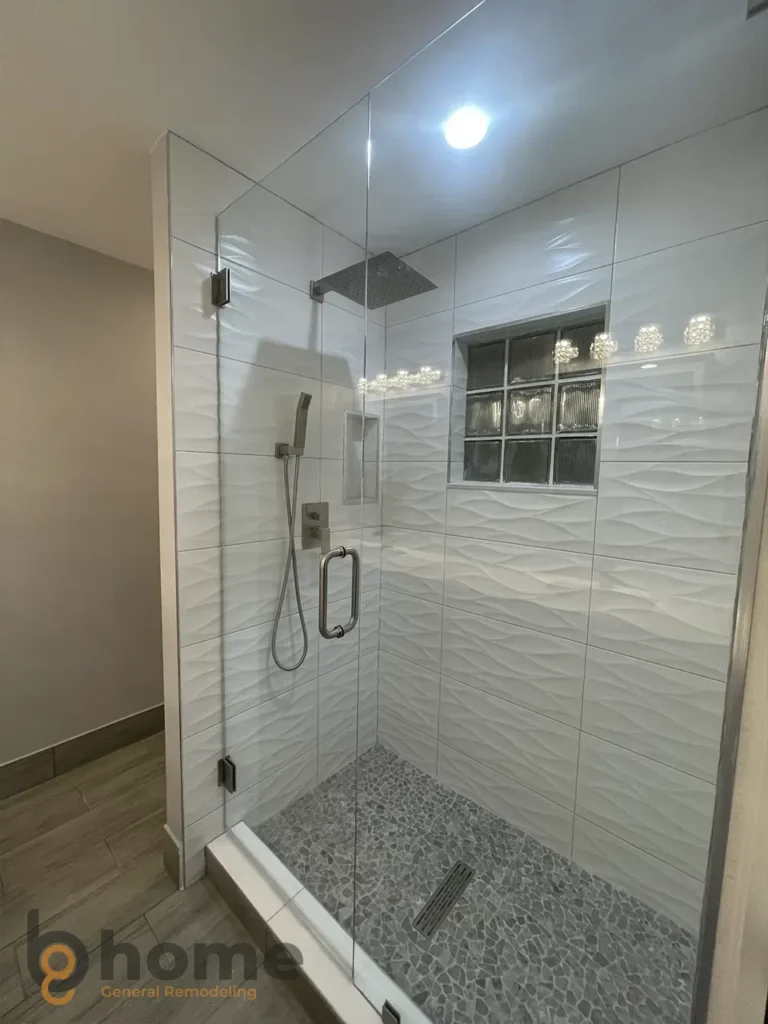
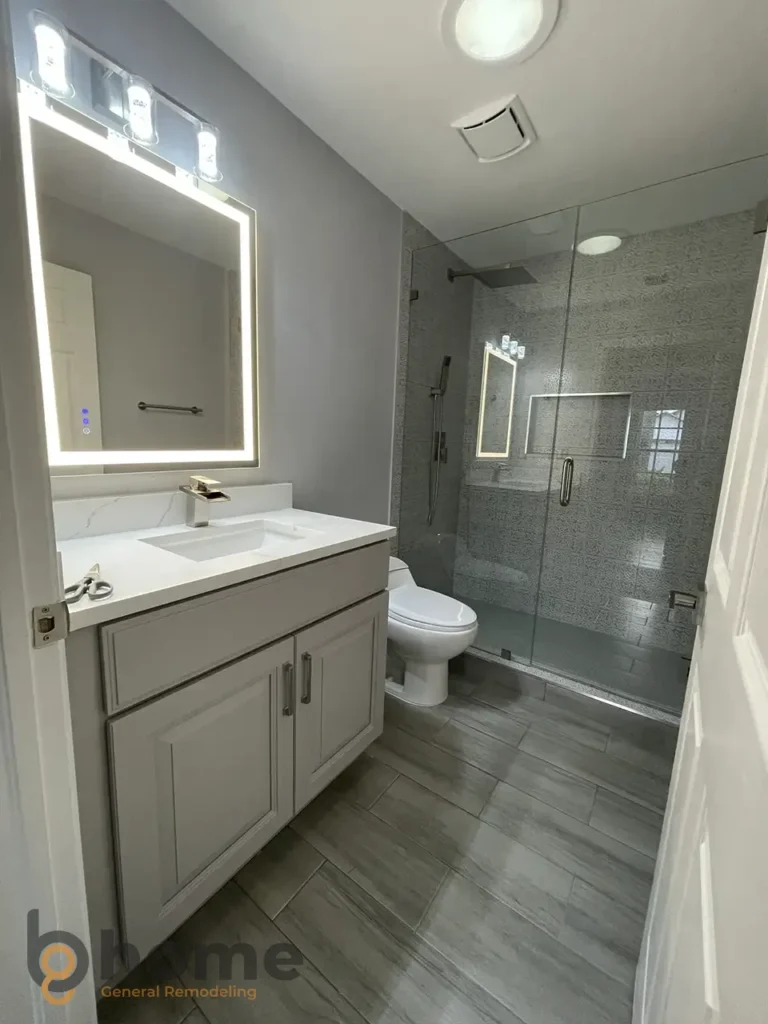
Learn More Bathroom
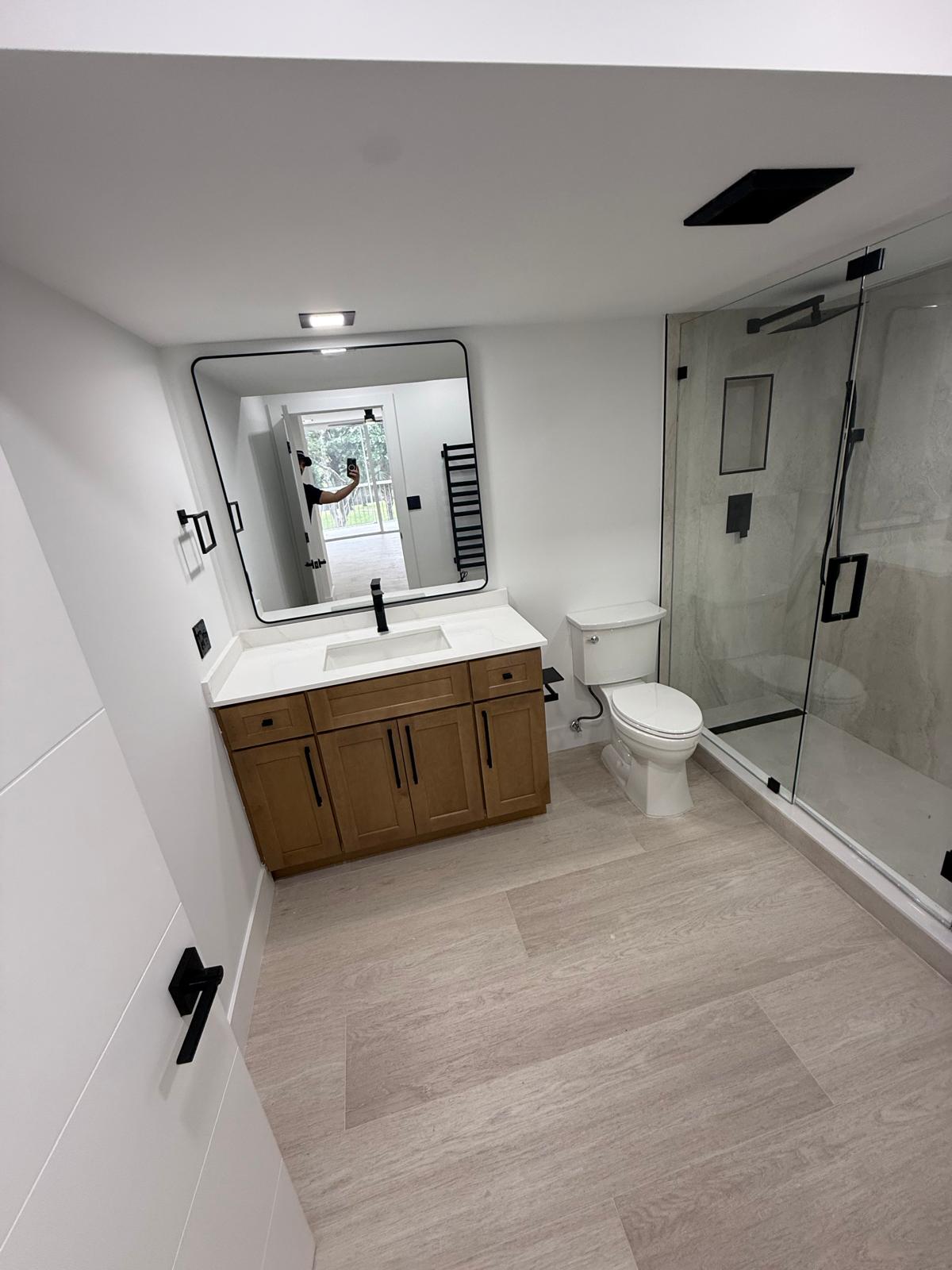
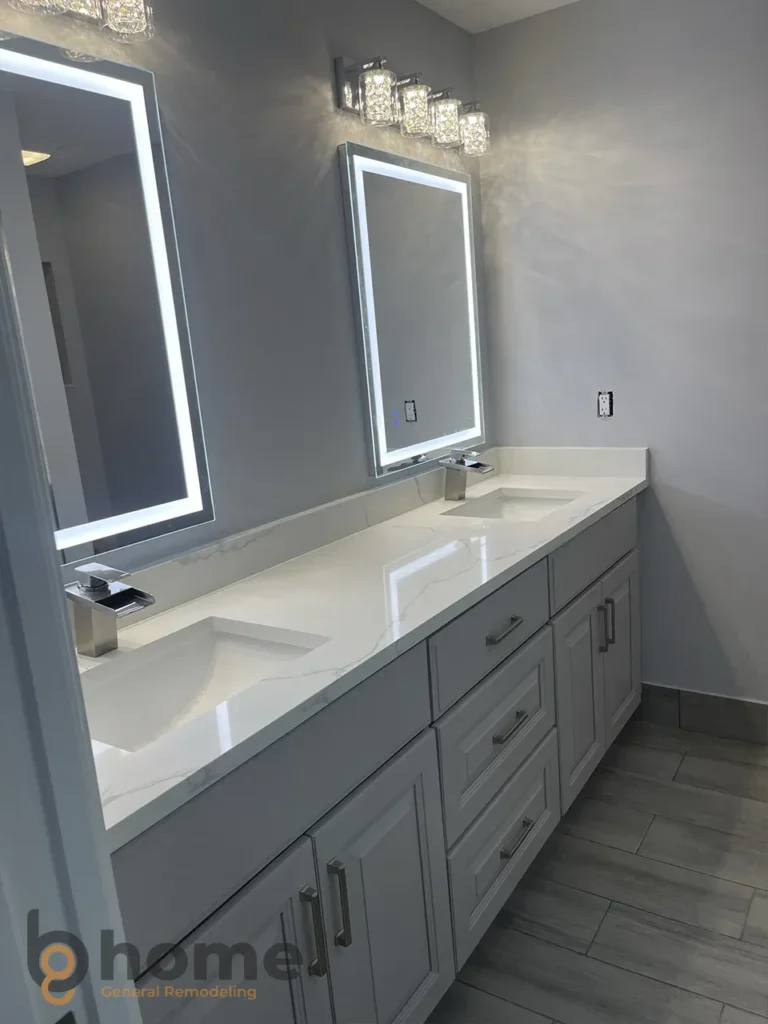
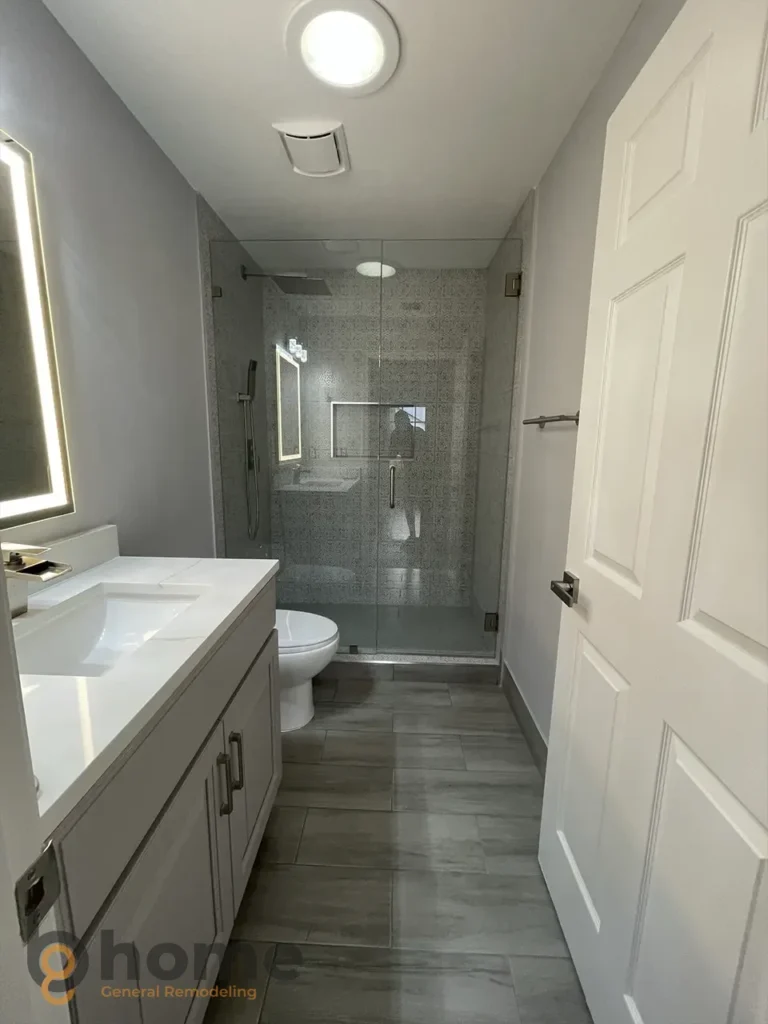
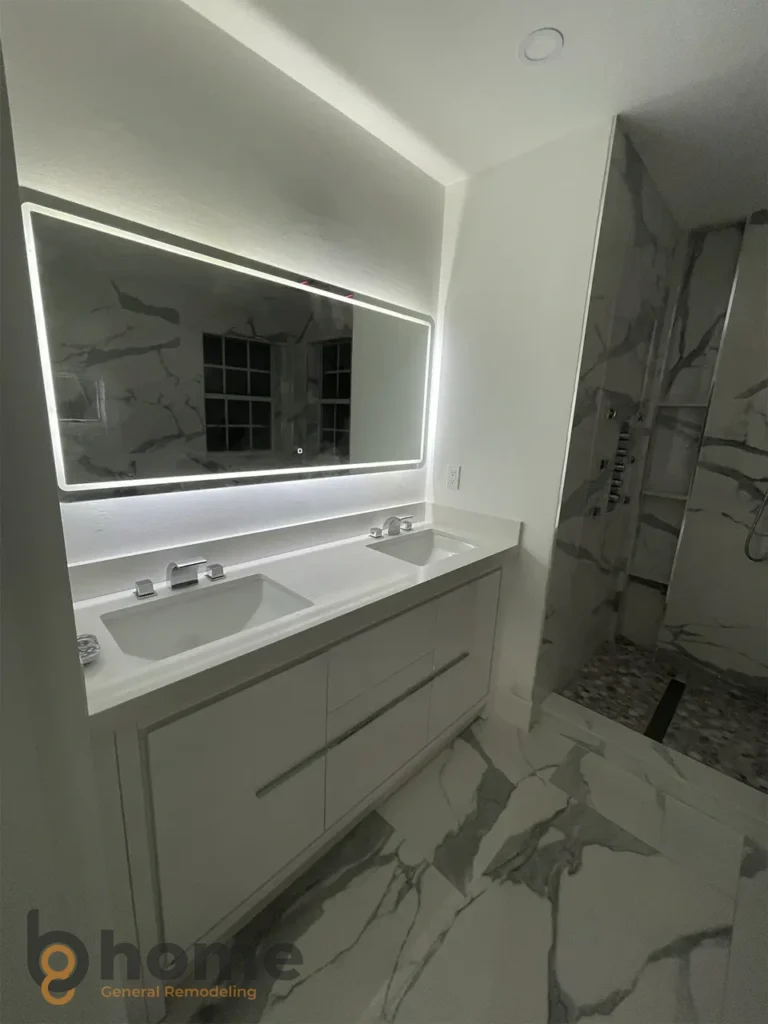
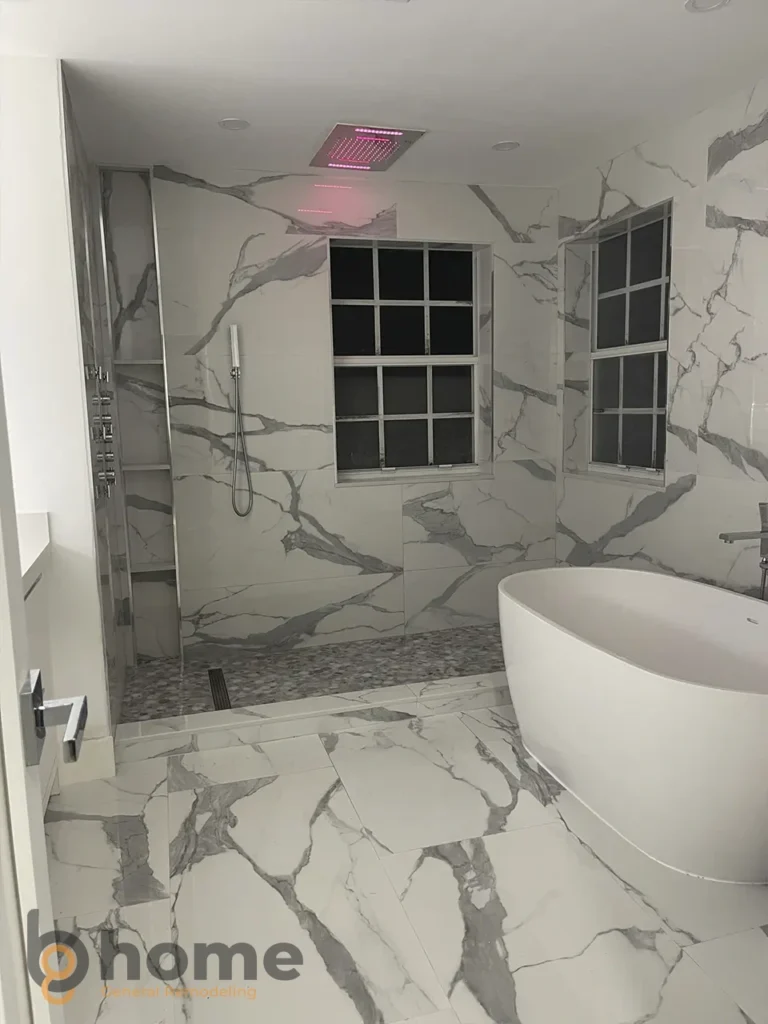
Spa level bathrooms with flawless tile, modern fixtures and smart storage. From powder rooms to full primary suites.
Learn More Painting
Rich, even color that lasts. Premium materials, protected surfaces and a finish that makes the whole home feel new.
Learn More Flooring
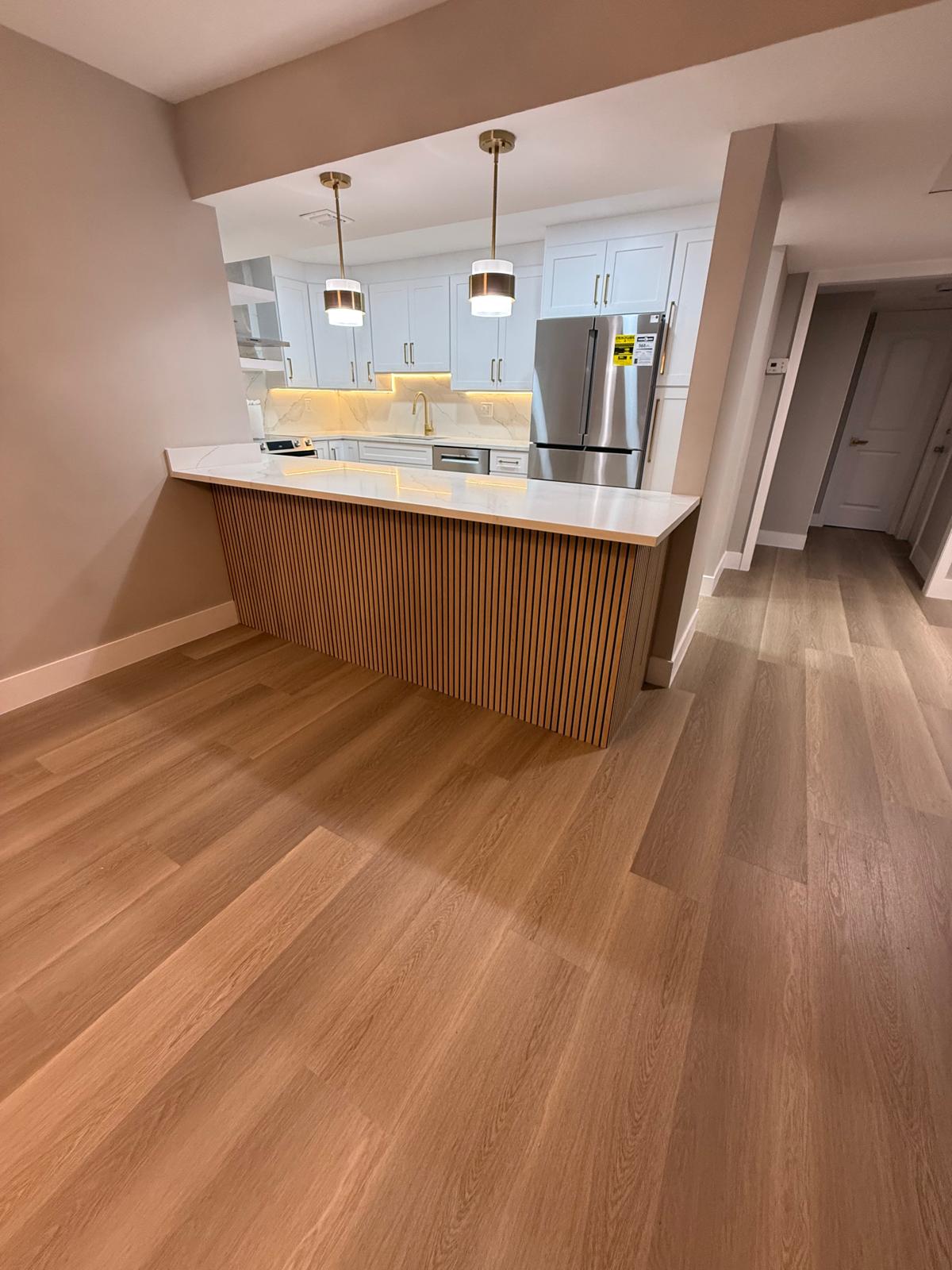
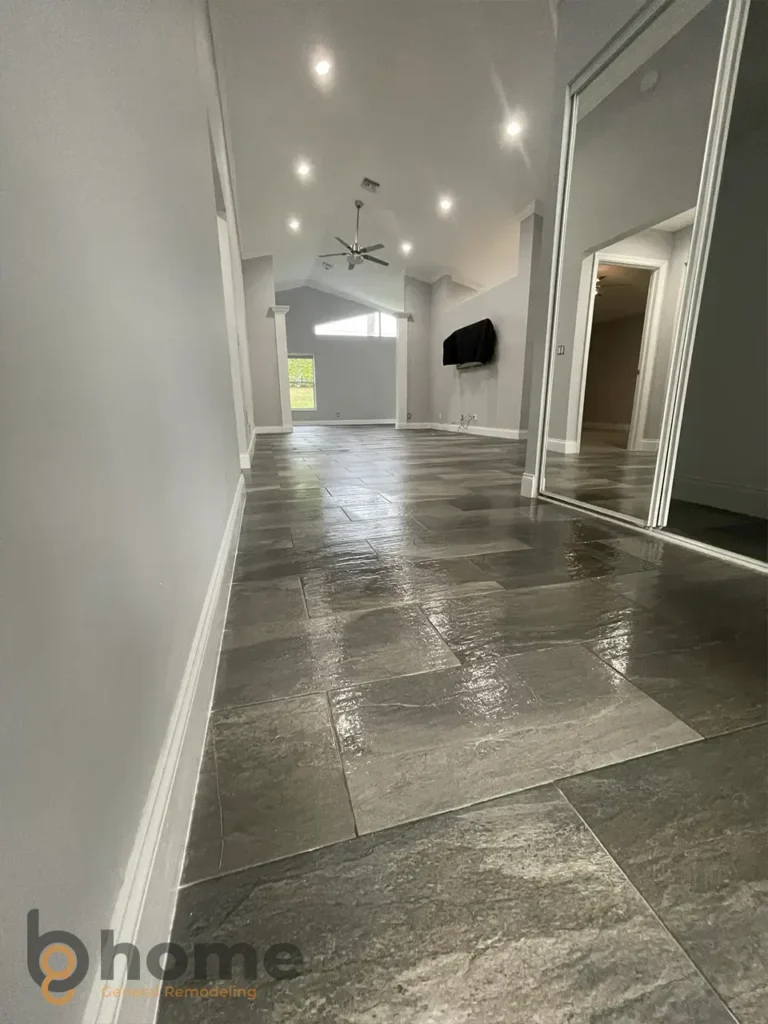
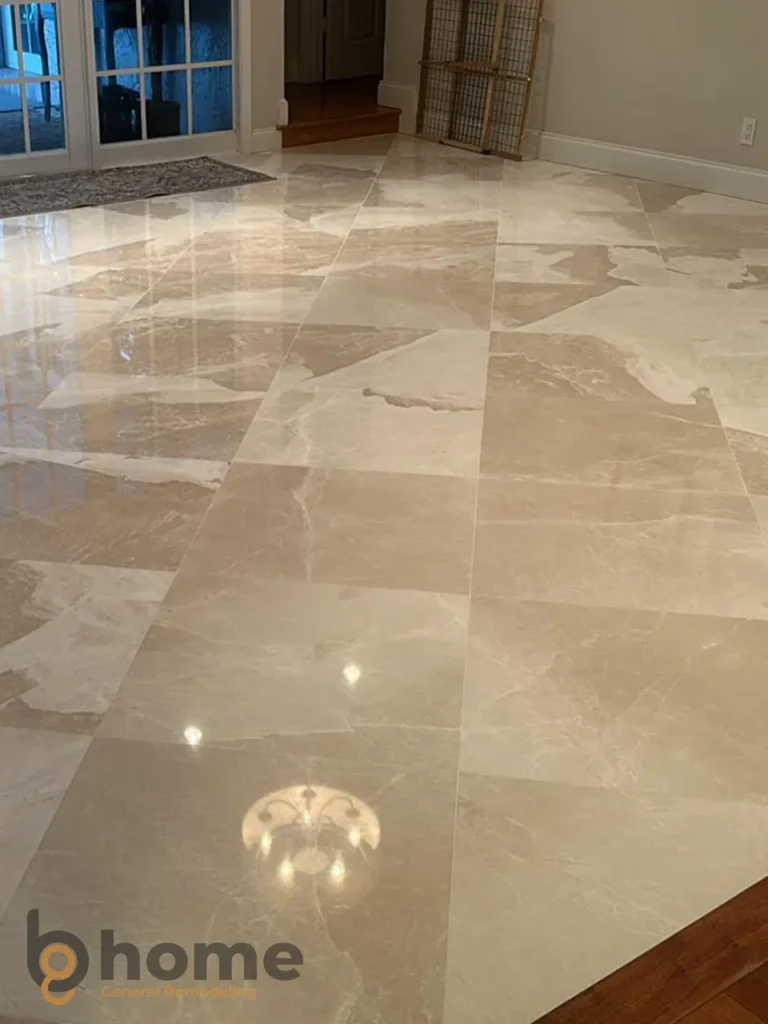
Hardwood, laminate, vinyl, porcelain and tile installed level and built to last in the Florida climate.
Learn More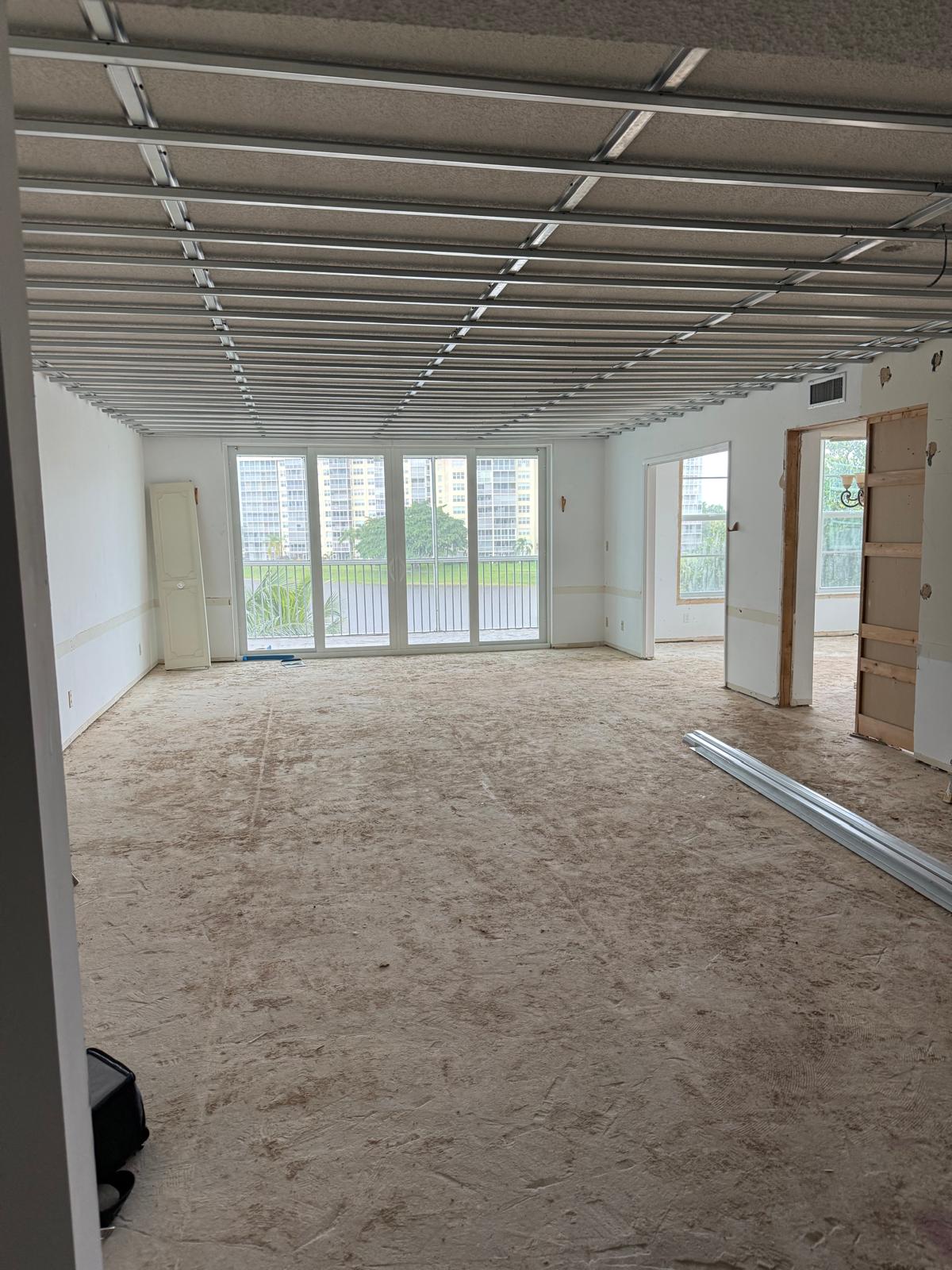 Drywall
Smooth, paint ready walls and ceilings. Repairs, full installs and finishing done right the first time.
Learn More Carpentry
Custom built ins, shelving, moldings and decorative panels that combine function and craftsmanship.
Learn More Handrail
Safe, code compliant and beautiful handrails and railings for stairs, balconies and entryways.
Learn More Tile
TileFloor, wall and backsplash tile installed with precision. Elegant results for any room or surface.
Learn More Staircase
Custom staircase design and installation. Beautiful, safe and built to last, from floating stairs to full renovations.
Learn MoreBrowse real B8 projects and picture what we could do with your space.
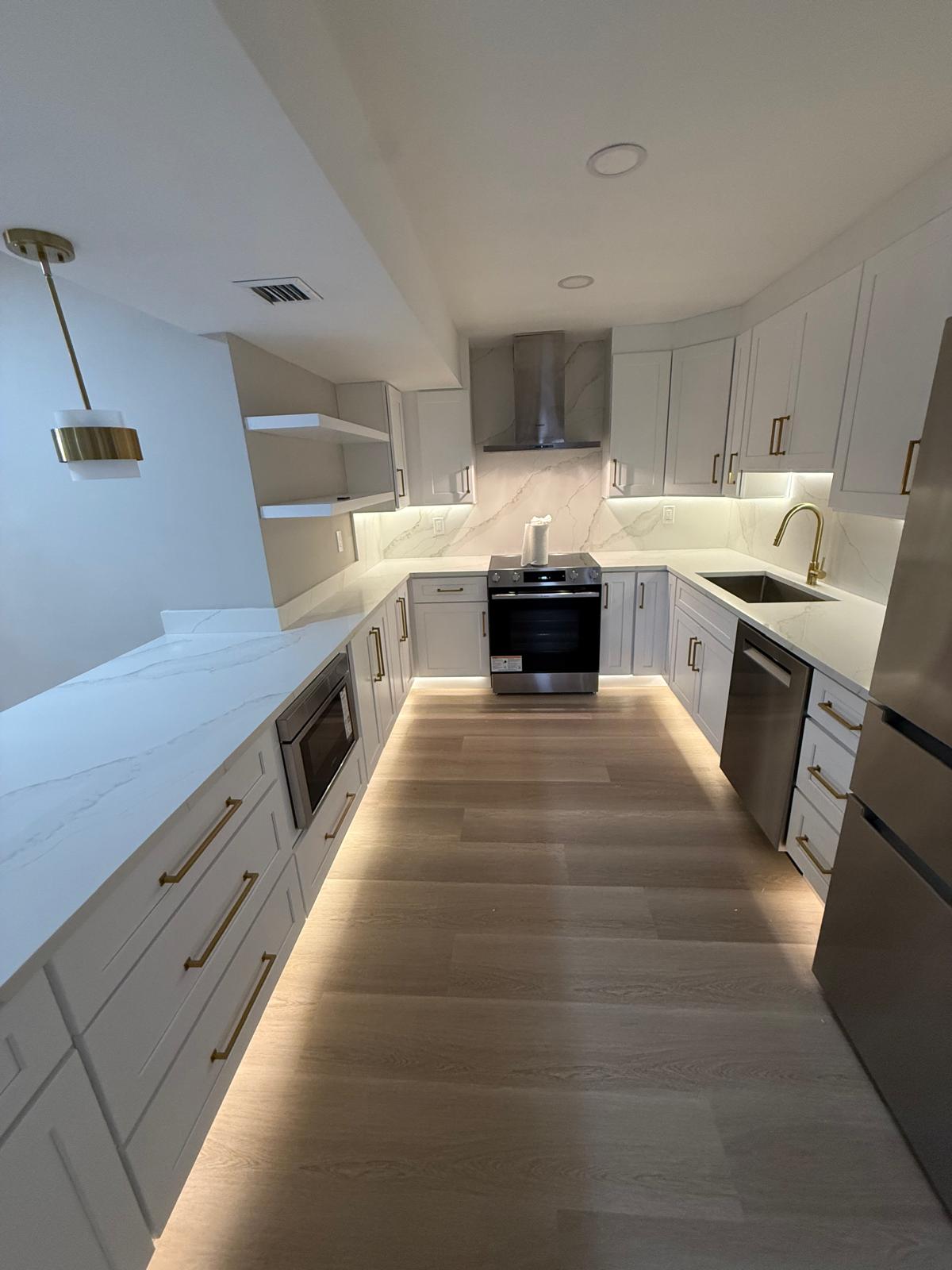
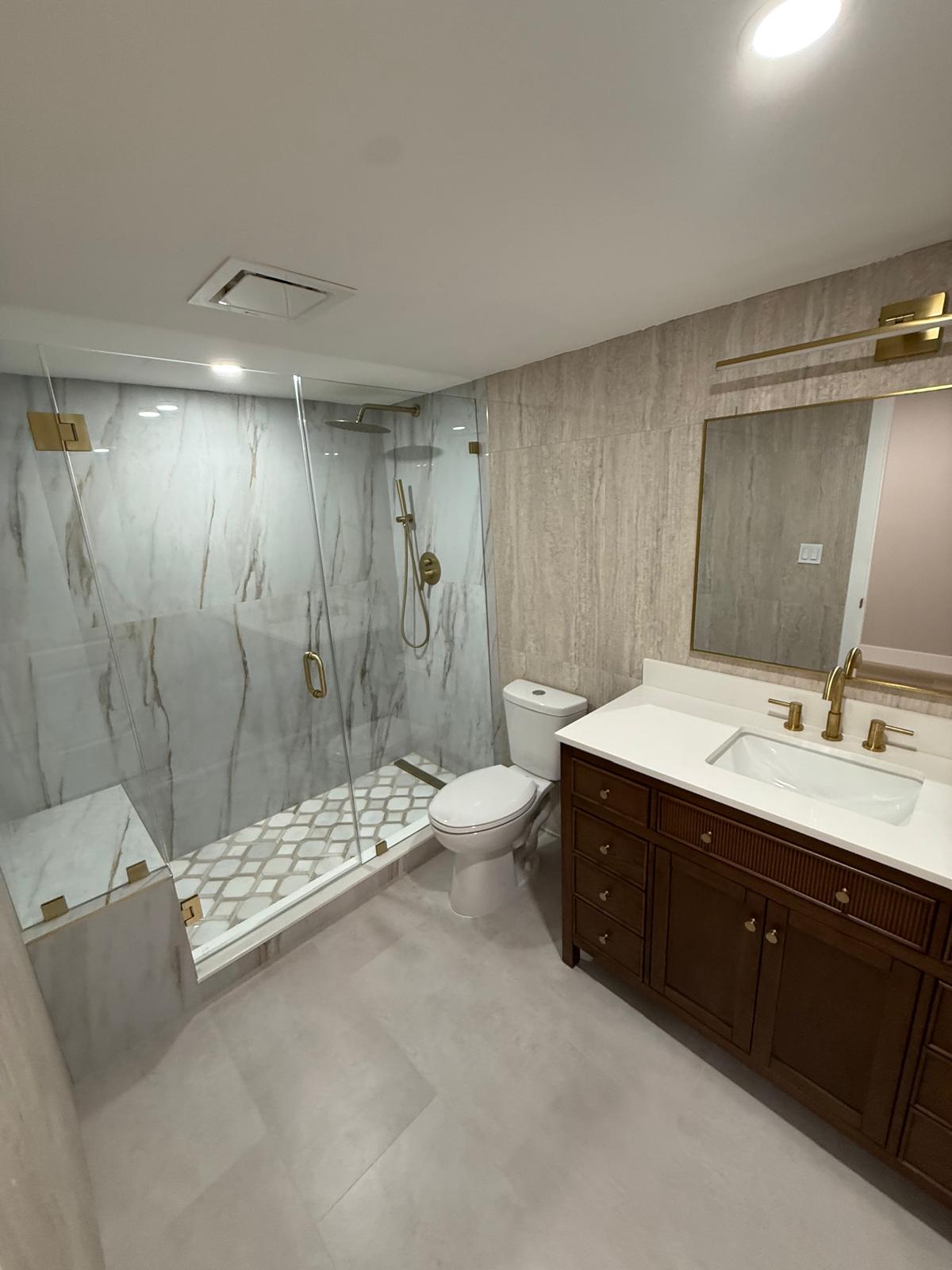
Our reputation is built in our clients' own words.
"B8 Home transformed our kitchen completely. The crew was professional, on time and the finish is absolutely stunning. Highly recommend."
"From start to finish, the B8 team was exceptional. Our bathroom remodel came out better than we imagined. Honest, clean and quality work."
"They kept every promise, the timeline, the budget and the finish. Our floors and paint look incredible. 5 stars without hesitation."
Tell us about your project. We visit, measure, listen and give you a clear, honest quote within 24 hours.
We align on materials, layout and budget so there are no surprises later.
Our crew shows up on schedule, protects your home and keeps you updated until the last detail is finished.
We do not consider the job done until you walk through it and love it.

B8 Home has delivered general remodeling across South Florida, earning a reputation for quality work and peace of mind. Now we bring that same standard to Greater Orlando.
Get a free, no pressure estimate within 24 hours. Tell us what you want to change, and we will show you exactly how we make it happen.
Get My Free Estimate